Fellowship · HQ-S26 · Completed
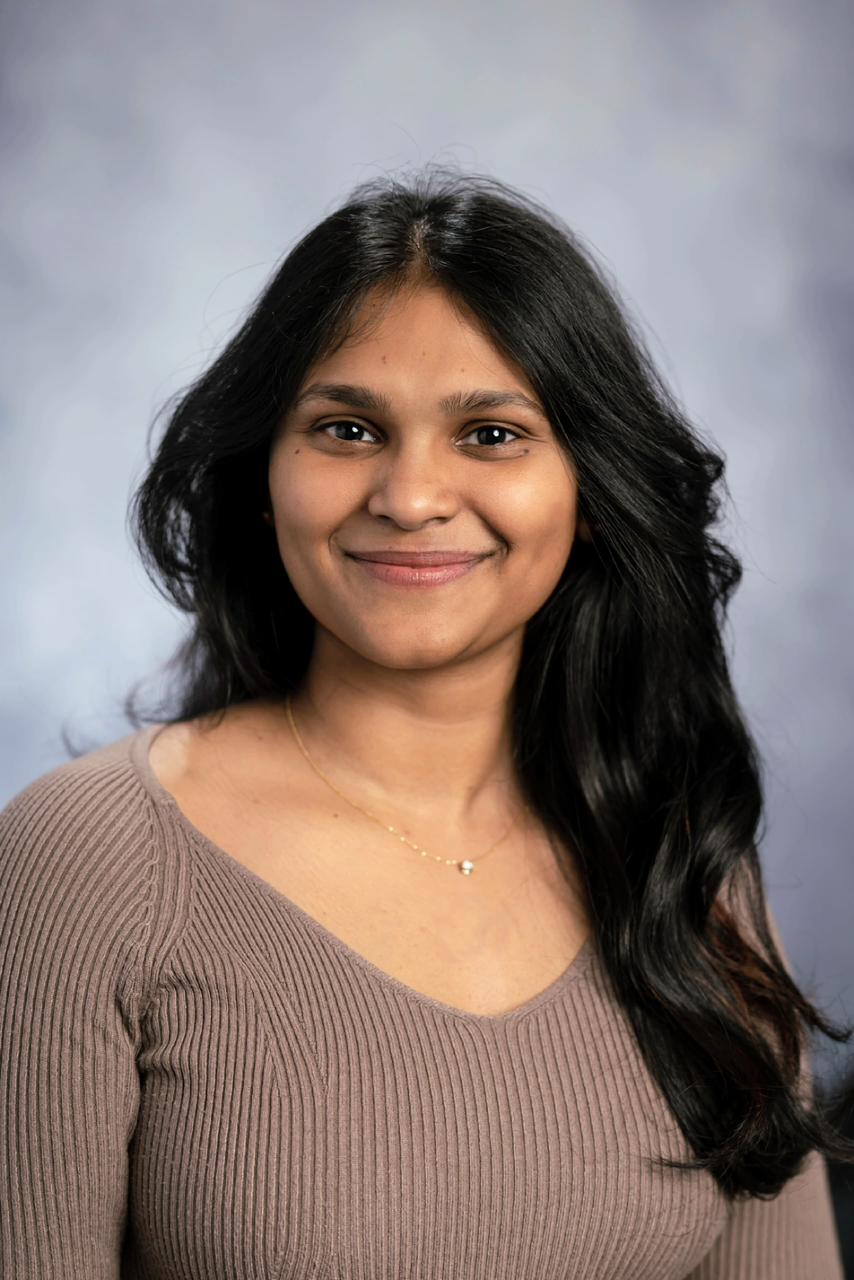
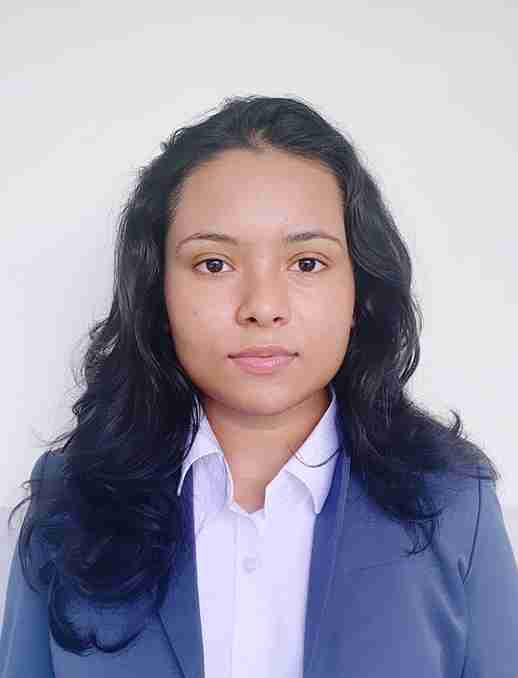
Our first research cohort: twelve fellows and a programme team of four, across four tracks, from April to June 2026.
- Ran from
- 6 Apr 2026
- Length
- 12 weeks
- Format
- Remote
- Pay
- Unpaid, educational
- Tracks
- 4
- People
- 16
HQ-S26 was the first cohort of the HyperQuark Research Fellowship: a remote, unpaid, 12-week research programme that ran from 6 April to 29 June 2026.
Twelve research fellows and a programme team of four worked across four tracks, with a weekly cohort session, track collaboration and weekly written progress reports.
Four tracks, one question each
- Track 1
Dynamic Career Intelligence Graph
Turning unstructured career and skill data into structured, graph-based representations that can reason about skills, transitions and career paths.
- Track 2
LLM Reasoning & Evaluation
How large language models reason, where they fail, and how their outputs can be evaluated for correctness, faithfulness and reliability.
- Track 3
Agentic AI Systems
Systems in which AI plans, acts and uses tools, with a focus on structured, reliable and controllable agent workflows.
- Track 4
AI Governance & Ethics
Trust, fairness, accountability and transparency in AI systems, and practical frameworks for responsible deployment.
Twelve weeks, five phases
4 publications
- Within-role, proficiency-aware discrimination on profile-derived skill graphsTwo candidates can hold the same skills at very different depths. Skill-counting cannot tell them apart. An HQ-S26 track built role graphs from real profiles and tested a score that can.
- An accountability rubric for deployed AI systems: design, and a first scoringFrameworks tell organisations how to govern AI; few let an outsider score whether a deployed system is accountable. An HQ-S26 track built a five-criterion rubric from public documents and tried it on two frontier chat assistants.
- Recovering from weak retrieval: design notes for a research query assistantA single search-then-answer pass assumes the question finds the right documents. An HQ-S26 track designed an assistant that notices when it did not, and tries once more. This note records the design and what the track observed.
- Cross-channel disagreement as an operational diagnostic for LLM reasoning faithfulnessWhen an AI judge rates another model's reasoning, it can reward fluency over correctness. An HQ-S26 track found cases where frontier models reasoned their way to a wrong answer, and both judges rated the reasoning fully faithful.
What the cohort produced
The cohort worked on problem statements, literature reviews, prototypes and evaluation frameworks. Its results are published as four research notes, one per track, under the fellows' own names and including what did not work. They are listed on this page.
How credit works
Work from the fellowship is published under the names of the people who did it, with each person's contribution recorded. HyperQuark Intelligence Labs and insiderOne may build on published research, and say so when they do.